The significance of being able to type fast
When a candidate applies to one of our jobs, we ask them what their typing speed is. Candidates often ask me why we have this question. I figured might as well make an article out of it.
The gap between how fast we think and how quickly we can capture those thoughts on screen has massive implications when it comes to our ability to communicate effectively.
The Think-Type Gap
Consider this: the average person thinks at approximately 400 to 600 words per minute. Yet many people type at just 30 to 70 words per minute. This creates a bottleneck between thought and expression, one that fundamentally impacts how well we can communicate in writing.
When you're thinking at 500 words per minute but typing at only 30, the frustration of waiting for your fingers to catch up with your brain degrades the quality of your output. You begin to compromise and settle for "good enough" rather than articulate yourself clearly.
The Nokia Phone Analogy
Imagine drafting an email on an old Nokia phone with only nine keypads. To type the simple word "you," you'd need to press buttons multiple times for each letter. Your typing speed would plummet to perhaps 15 words per minute.
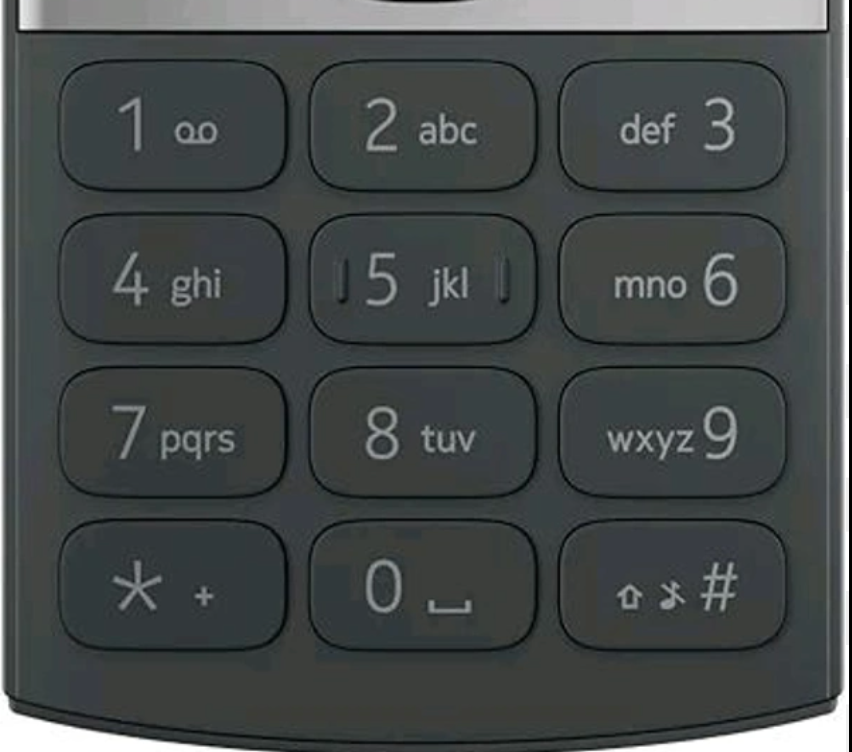
Now imagine crafting a thoughtful, well-structured email in this environment. Would you take the time to provide proper context? Would you revise your opening paragraph if you realized it could be clearer? Would you go back and edit for tone and precision?
Probably not. The pain of typing at such a slow pace would make you reluctant to invest the effort. You'd write shorter messages, skip important details, and avoid the kind of careful revision that produces truly excellent communication. The tool itself would limit the quality of your thinking.
The Feedback Loop of Fast Typing
Fast typing creates a virtuous cycle. When you can type at 100 or 120 words per minute, you can actually think through your ideas as you write. You put sentences on the screen, read them back, refine them, restructure paragraphs, and iterate quickly. The entire feedback loop between thinking, writing, reviewing, and editing accelerates.
It's actually not even just about saving time. What ends up happening is that you altogether have a different quality of thought. When you reduce the friction between an idea and the expression of this idea, you can engage in more sophisticated reasoning, develop more nuanced arguments, and communicate with greater clarity and precision.
Real-World Implications
In white-collar work, whether management consulting, recruitment, software development, or any knowledge based field - written communication is constant. Emails, documentation, internal messaging, client updates, reports: all of these require clear, effective writing.
At TopHire, we've certainly seen correlations between how fast people type and the quality of their written communication. Faster typists tend to write longer, more detailed messages. They provide better context. They're more willing to revise and improve their work because the cost of doing so is lower.
Conversely, slow typists often produce shorter, less detailed messages. It's not that they have less to say. Problem is that the act of typing itself is a slow and painful process for them, and expressing thoughts in a written manner therefore is harder for them.
Good News: Typing Speed Is Learnable
Unlike many cognitive abilities, typing speed is trainable. I know this because I've run company wide programmes where we made everyone practice their typing speed. The average typing speed across the company went up significantly as a result of these training programmes.
So with deliberate practice, people can improve. I've seen people go from 50wpm to 80wpm; I've seen people go from 65 to 100wpm too.
Conclusion
Typing speed matters far more than most people realize.
The ability to type quickly narrows the gap between thought and expression, allowing ideas to flow more freely from mind to screen. As a result, it transforms how efficiently we work, plus how well we can articulate complex, nuanced thoughts.